Why deinking performance varies so much between ONP, OMG, MOW, and mixed recycled furnish
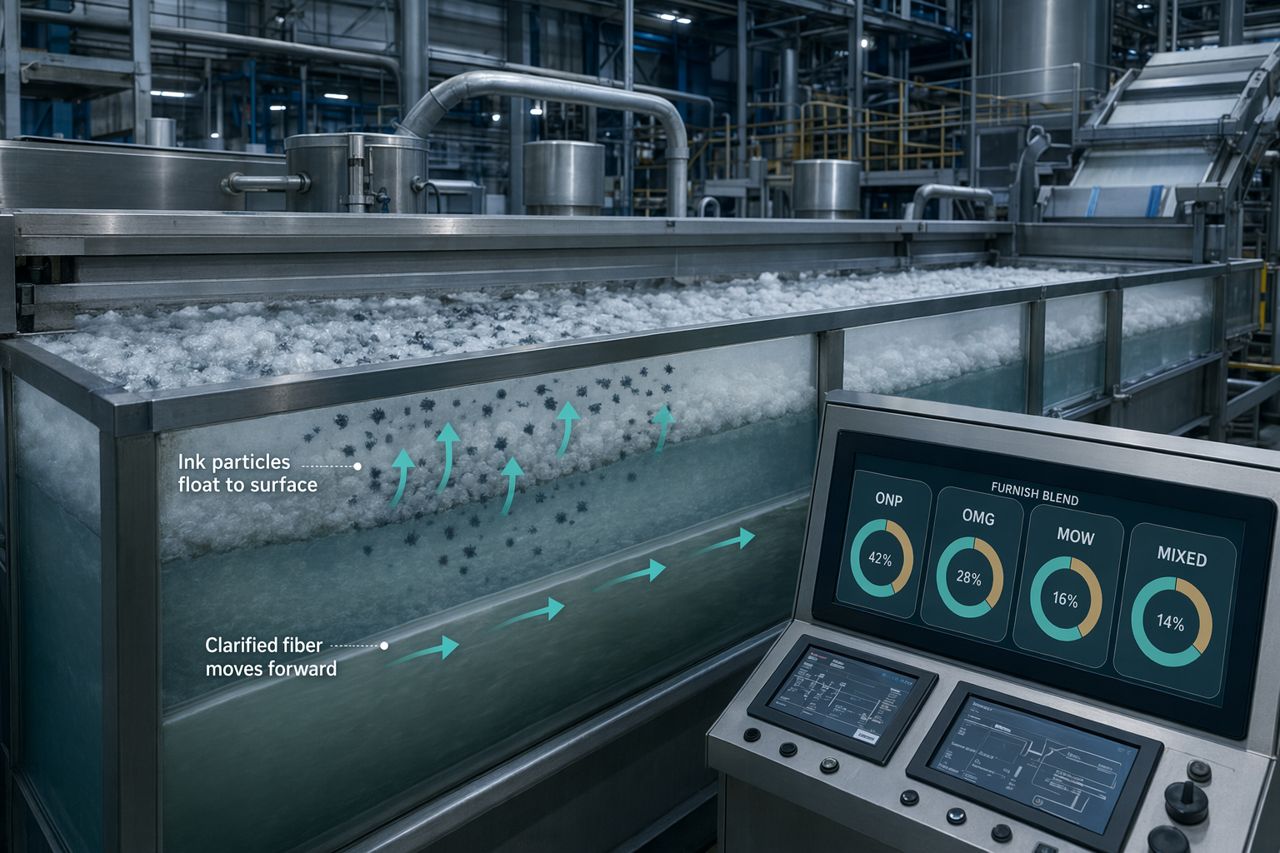
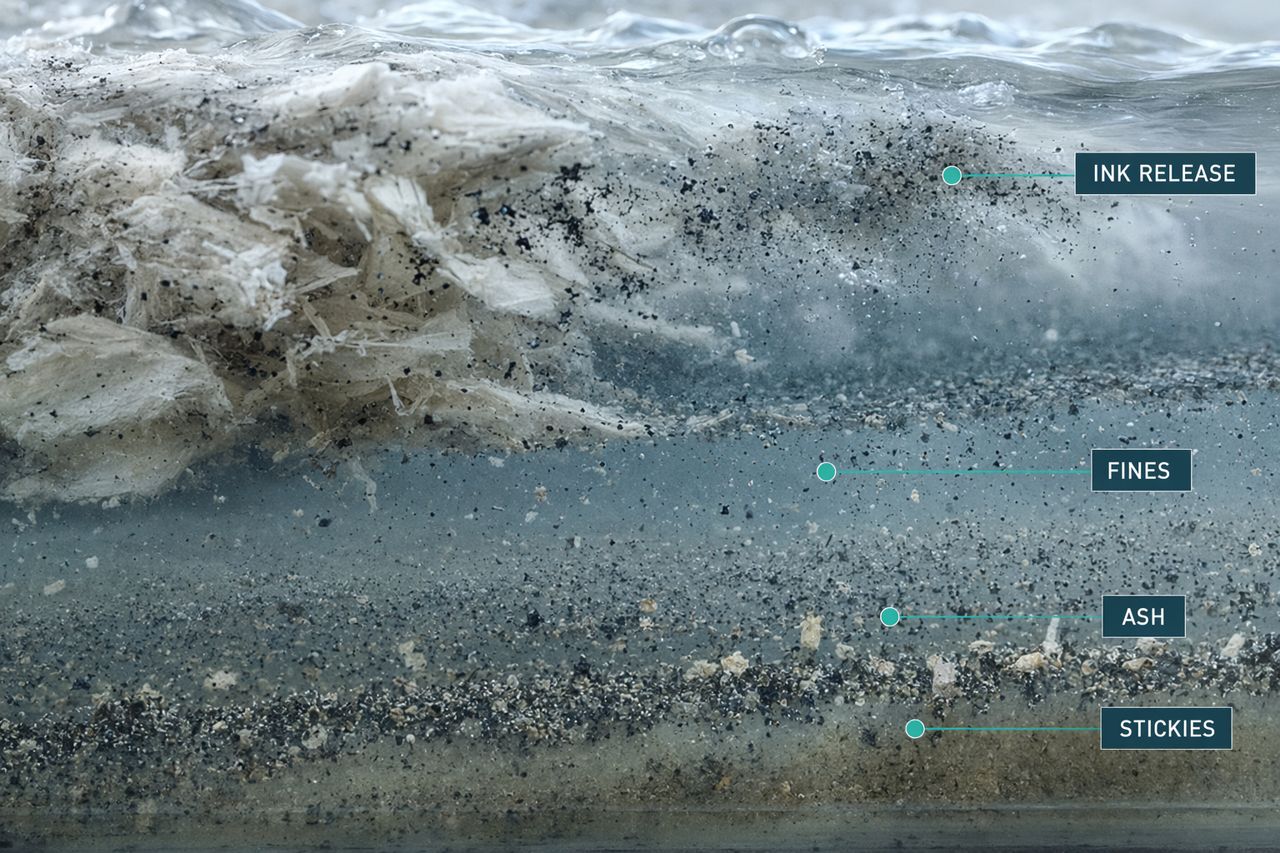
A deinking line does not see “recovered paper.” It sees ink chemistry, fiber history, filler load, coating binders, fines, stickies, surfactant carryover, and unknown contaminants arriving in the same pulper.
That is why the same deinking chemistry can produce clean flotation foam on one furnish and flat brightness response on the next. It is also why mills looking for an enzyme supplier for paper deinking mills need more than a generic product recommendation. The enzyme program has to match the furnish, the unit operation, and the production constraint.
Enzymesfield works with paper recycling mills on enzyme-assisted deinking, stickies control, drainage improvement, and chemical reduction. The goal is not to add another variable to the loop. The goal is to make the furnish behave more consistently before it reaches the critical separation stages.
The furnish drives the deinking ceiling
Recovered furnish changes the practical limit of brightness gain, yield retention, speck removal, and machine runnability. Four common furnish families behave very differently.
ONP: good flotation behavior, but limited brightness ceiling
Old newspapers usually contain mechanical fiber, high fines, aged ink, and a broad particle size distribution after pulping. ONP often responds well to flotation because much of the ink can detach into a floatable size range when pulping, alkalinity, surfactant, and air management are balanced.
The challenge is that ONP has an inherent brightness ceiling. The fiber itself may be darkened by lignin, yellowing, and prior heat exposure. Pushing chemistry harder may lift ink removal but can also increase fiber loss, fines carryover, and reject load.
Typical ONP pressure points:
- Moderate to strong ink release during pulping
- Mechanical fiber darkening that limits final brightness
- High fines load affecting drainage and ash handling
- Sensitivity to over-dispersion, which can make ink harder to float
- Yield loss risk when aggressive washing is used to chase brightness
Where enzymes can help:
A controlled fiber-surface treatment can improve ink release and drainage without relying only on harsher alkalinity or dispersant load. In ONP-heavy systems, the best value often comes from stabilizing flotation response and reducing the need to overcorrect with chemicals when incoming bales shift.
OMG: coating chemistry changes the whole separation problem
Old magazines and coated grades introduce clay, calcium carbonate, latex binders, pigments, and coated fiber surfaces. Inks may detach, but they often arrive with coating fragments and binder-associated particles that do not behave like newspaper ink.
OMG can deliver higher brightness potential than ONP, but it can also load the process with ash and colloidal material. Foam stability, flotation selectivity, and washer loading can shift quickly when coating levels vary.
Typical OMG pressure points:
- Coating binder fragments that interfere with clean ink separation
- Higher ash load changing foam and drainage behavior
- Sticky or tacky deposits from coating and print binders
- Brightness gain that depends heavily on ash and ink selectivity
- Risk of losing usable fiber when flotation or washing is pushed too hard
Where enzymes can help:
For OMG-rich blends, enzyme selection must consider fiber surface modification and deposit tendency. A program that improves release of ink and coating-bound contaminants while supporting drainage can reduce the need to force the system through stronger chemistry or longer retention. The target is cleaner separation, not excessive fiber attack.
MOW: cleaner fiber, but laser and toner inks are stubborn
Mixed office waste often contains higher-quality chemical fibers, less lignin, and strong brightness potential. But it also brings laser toner, office print toners, adhesives, labels, and pressure-sensitive materials. Toner particles can stay large, flat, and difficult to float unless they are properly detached and conditioned.
MOW is often less about maximum ink load and more about speck control, residual dirt count, and stickies management.
Typical MOW pressure points:
- Toner particles that resist breakup and removal
- Hot-melt adhesives and pressure-sensitive stickies
- Variable office paper coatings and copy paper additives
- Strong brightness potential if dirt and specks are controlled
- Deposit risk in screening, cleaning, approach flow, and forming sections
Where enzymes can help:
In MOW systems, enzyme value is often tied to detachment and tack reduction rather than bulk brightness alone. Programs may be positioned ahead of flotation, fine screening, or storage points where stickies conditioning can reduce deposition and improve downstream cleanliness.
Mixed recycled furnish: variability is the main contaminant
Mixed furnish is where deinking operations spend the most time troubleshooting. The blend may contain ONP, OMG, office waste, board, labels, packaging, coated inserts, and unknown print systems. Even when bale specs are consistent, seasonal supply and supplier changes can alter ash, stickies, brightness, and ink release.
Mixed furnish does not usually fail because one parameter is wrong. It fails because the process window narrows.
Typical mixed furnish pressure points:
- Inconsistent pulper load from bale to bale
- Variable ash and fines loading
- Changing ink particle size after pulping and dispersion
- Stickies spikes from labels, tapes, and packaging residues
- Drainage shifts that affect thickening, washing, and machine speed
- Higher chemical correction cost when incoming furnish changes quickly
Where enzymes can help:
For mixed furnish, the strongest enzyme programs are designed around process resilience. The aim is to widen the operating window: more stable ink release, better drainage, lower deposit tendency, and less reliance on emergency chemical changes.
Why the same chemistry behaves differently by furnish
1. Ink detachment is not the same as ink removal
A pulper can detach ink from fiber and still create particles that flotation cannot remove efficiently. If the ink becomes too fine, it may pass through flotation and remain as grayness. If it stays too large or attached to toner and binder fragments, it may report as visible specks.
The furnish determines the particle size distribution after pulping, dispersing, and chemical conditioning.
2. Fiber surface chemistry changes enzyme response
Mechanical fibers, chemical fibers, coated fibers, and aged recycled fibers do not expose the same surface. Swelling, hornification, fines generation, coating coverage, and residual additives all influence how an enzyme program interacts with the furnish.
This is why Enzymesfield evaluates the furnish and process location before recommending a treatment window.
3. Fines and ash change drainage economics
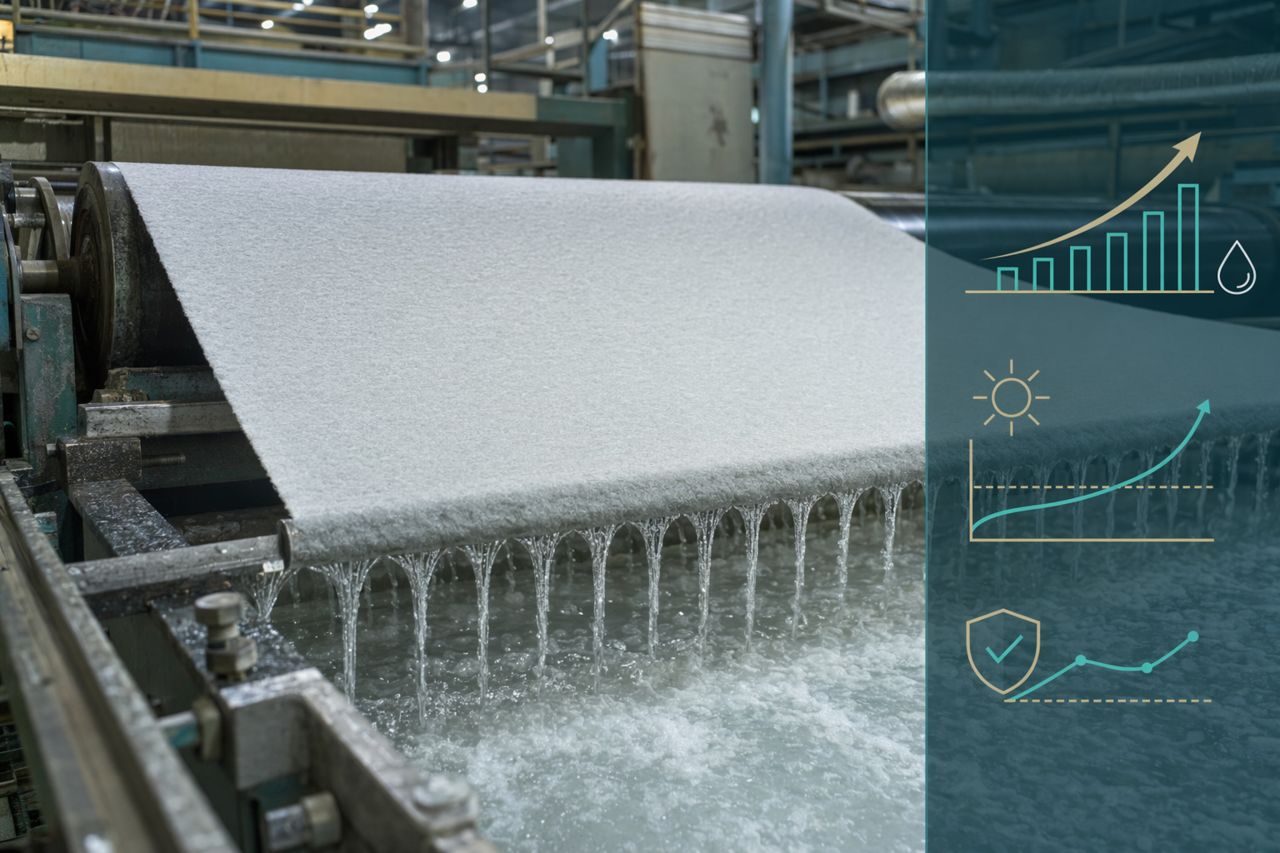
A mill may see brightness gain but lose production rate if drainage drops. Conversely, a furnish may drain well but hold residual ink. Fines, fillers, and coating particles influence thickener performance, whitewater loading, saveall behavior, and sheet formation.
For many recycling mills, the commercial target is not only brightness. It is brightness at acceptable yield, drainage, and downtime risk.
4. Stickies are blend-dependent
Stickies load can spike when the furnish contains labels, tapes, hot melts, coated book stock, packaging, or pressure-sensitive adhesives. These contaminants may pass pulping and screening in deformable forms, then deposit later under heat, shear, or chemistry changes.
A practical stickies program looks at where tack develops, where deposits form, and where the process has enough retention for conditioning.
Application windows that matter in deinking mills
Enzymesfield enzyme programs are typically reviewed against the mill’s actual process map. Common evaluation points include:
- Pulper or post-pulper chest: useful when early ink release and fiber surface conditioning are the priority.
- Pre-flotation conditioning: useful when the mill needs better ink detachment and more selective flotation response.
- Pre-wash or thickener feed: useful when drainage, fines handling, or water removal limits throughput.
- Blend chest or machine chest: useful when stickies control and deposit tendency are the main operating issue.
- Loop-specific trials: useful when the mill runs separate ONP, OMG, MOW, or mixed streams before blending.
The right point depends on temperature profile, pH range, retention time, furnish mix, chemical program, and where the constraint is measured.
What to track during a furnish-specific enzyme trial
A useful mill trial should be tied to operating value, not just lab response. Typical trial measurements include:
- Incoming furnish blend and bale source changes
- Pulper energy trend and defibering consistency
- Brightness before and after flotation or washing
- Residual ink, dirt count, and visible specks
- Flotation reject quality and yield impact
- Drainage rate at thickening and forming points
- Stickies count, deposit observations, and screen loading
- Chemical demand for caustic, peroxide, surfactant, dispersant, or defoamer
- Downtime events, cleaning frequency, and sheet quality changes
A strong result is not always the highest single brightness number. It is a repeatable balance of brightness gain, yield protection, drainage, chemical reduction, and lower deposit risk.
Practical furnish-by-furnish guidance
| Furnish type | Main opportunity | Main risk | Enzyme program focus |
|---|---|---|---|
| ONP | Stable ink release and drainage | Limited brightness ceiling, fines load | Fiber-surface conditioning and flotation support |
| OMG | Higher brightness potential | Coating, ash, binder fragments | Cleaner contaminant release and drainage support |
| MOW | High-quality fiber recovery | Toner specks and stickies | Detachment, tack reduction, deposit control |
| Mixed furnish | Operational stability | Variable ash, ink, stickies, and drainage | Wider process window and chemical reduction |
The Enzymesfield view
Deinking performance varies because each furnish brings a different separation problem. ONP is not OMG. MOW is not mixed residential recovery. A mill that treats them as the same feedstock usually ends up correcting with excess chemistry, reject loss, or downtime.
Enzymesfield supplies enzyme solutions for paper recycling mills with a focus on practical outcomes: better brightness response, controlled stickies, improved drainage, steadier yield, and reduced chemical pressure where the process allows it.
If your mill is seeing inconsistent deinking response between furnish types, the starting point is a process review: furnish mix, current chemistry, application points, retention windows, and the operating constraint you need to move.
Request a quote
Want to evaluate a furnish-specific enzyme program for your deinking line? Use the on-site request a quote form and include your furnish mix, target grade, current deinking sequence, and the main constraint you want to improve.