Enzyme Supplier for Paper Deinking Mills
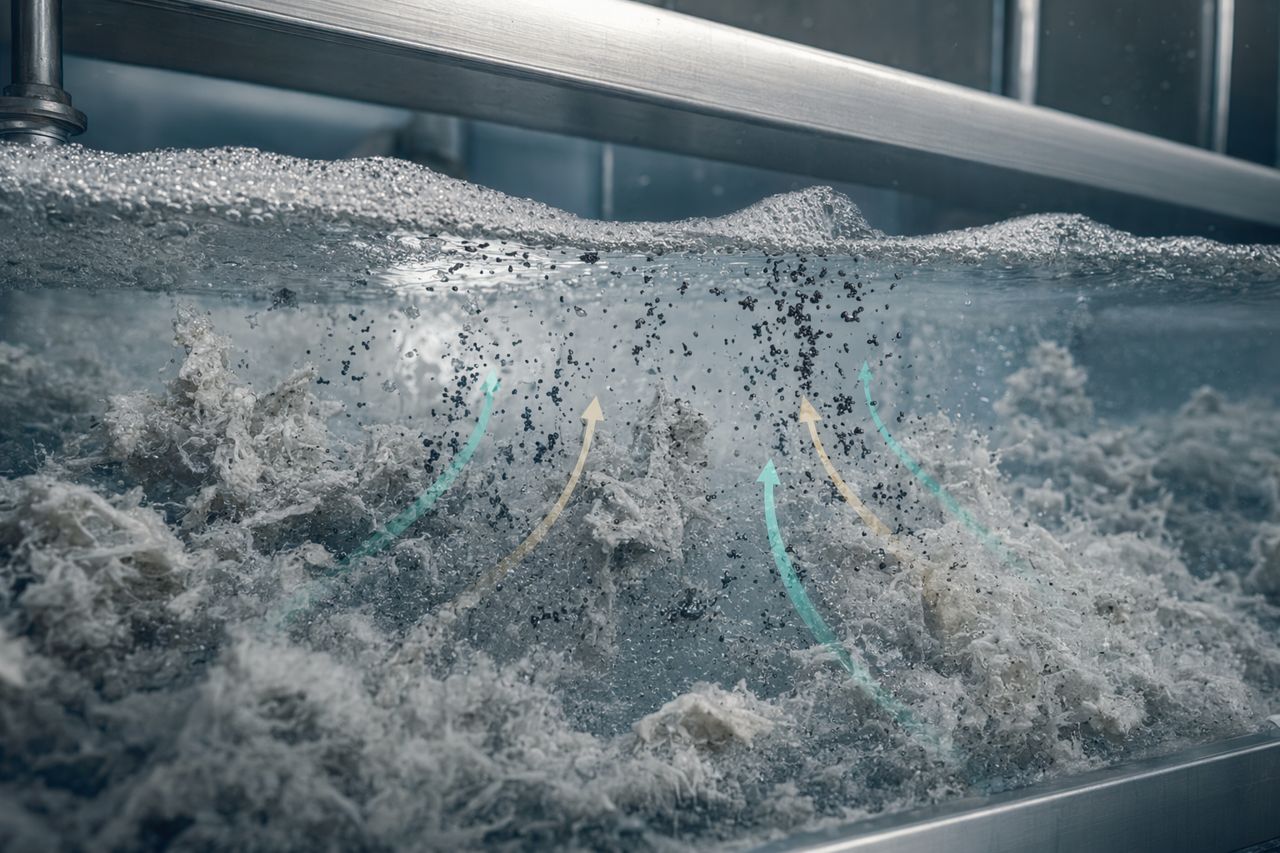
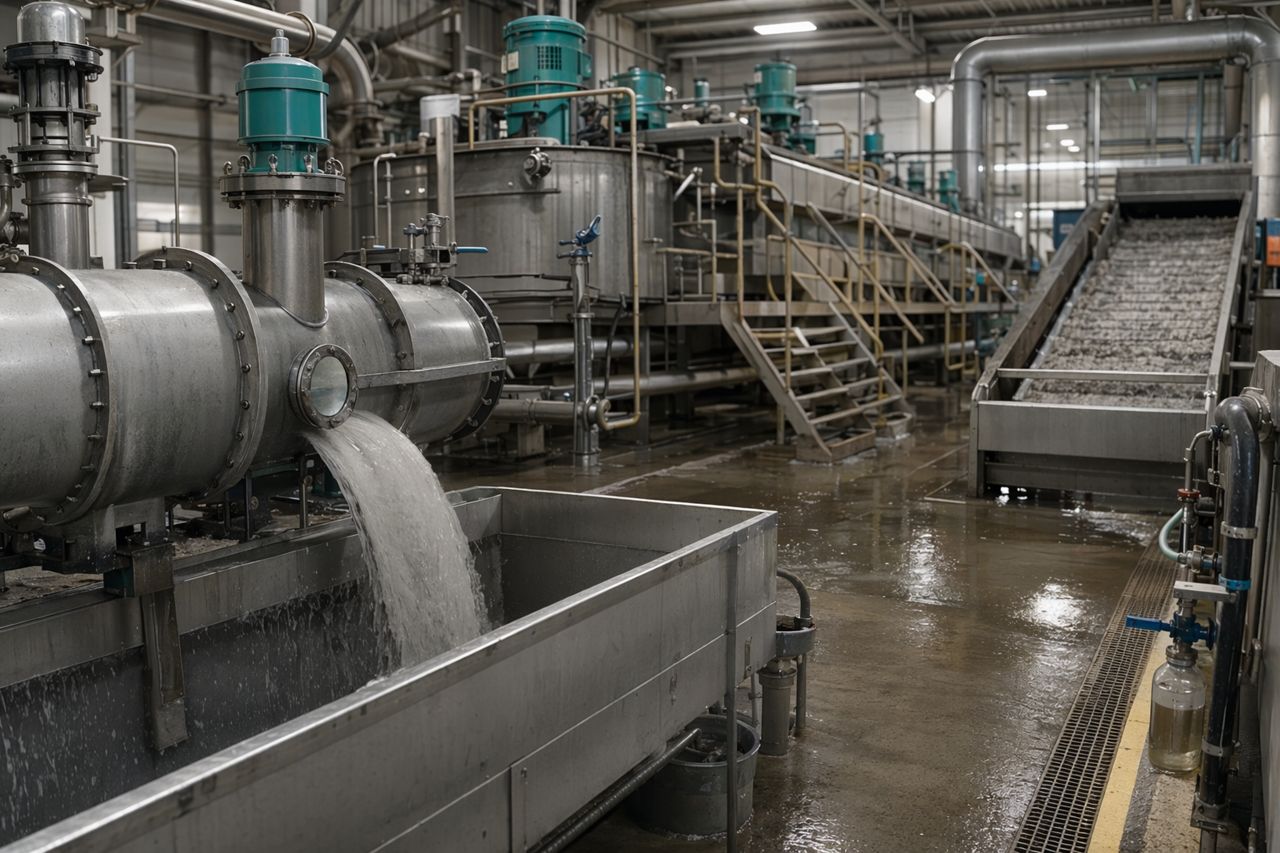
Recovered fiber mills do not need enzyme marketing language. They need a supply partner that understands pulpers, dump chests, flotation cells, washers, screens, water loops, stickies load, brightness targets, and the cost of a line that will not run clean.
Enzymesfield supplies enzyme programs for paper deinking mills that want practical mill-floor outcomes: better ink detachment, improved contaminant release, steadier drainage, fewer deposit-related stops, and a more controlled chemical bill.
If you are comparing an enzyme supplier for paper deinking mills, Enzymesfield supplies wholesale and in bulk, to mills directly and to the paper-chemical distributors and resellers who serve them, and helps you move from sample testing to a controlled production trial with the right blend, dosing approach and performance checks for your furnish.
Wholesale and bulk supply. Request a quote. For paper and board manufacturers, paper-chemical resellers and distributors, and biotech formulators. Send the product or the problem to solve, the quantity, and the delivery destination; pricing, pack format and lead time are quoted per order. Request a quote
What Enzymesfield Enzyme Programs Are Built to Improve
Deinking performance depends on more than one chemistry addition. Furnish mix, aging, toner load, ash, wet-strength content, surfactant package, pulper conditions, flotation balance, foam control, and screen load all affect the result.
Enzymesfield enzyme programs are selected to support the working points that matter to a recycling mill:
- Ink release from recovered fiber so ink particles separate more effectively during flotation or washing.
- Brightness stability by improving contaminant removal instead of over-correcting with stronger chemical loads.
- Stickies and pitch pressure reduction through enzyme support targeted at hydrophobic contaminants and deposit-forming materials.
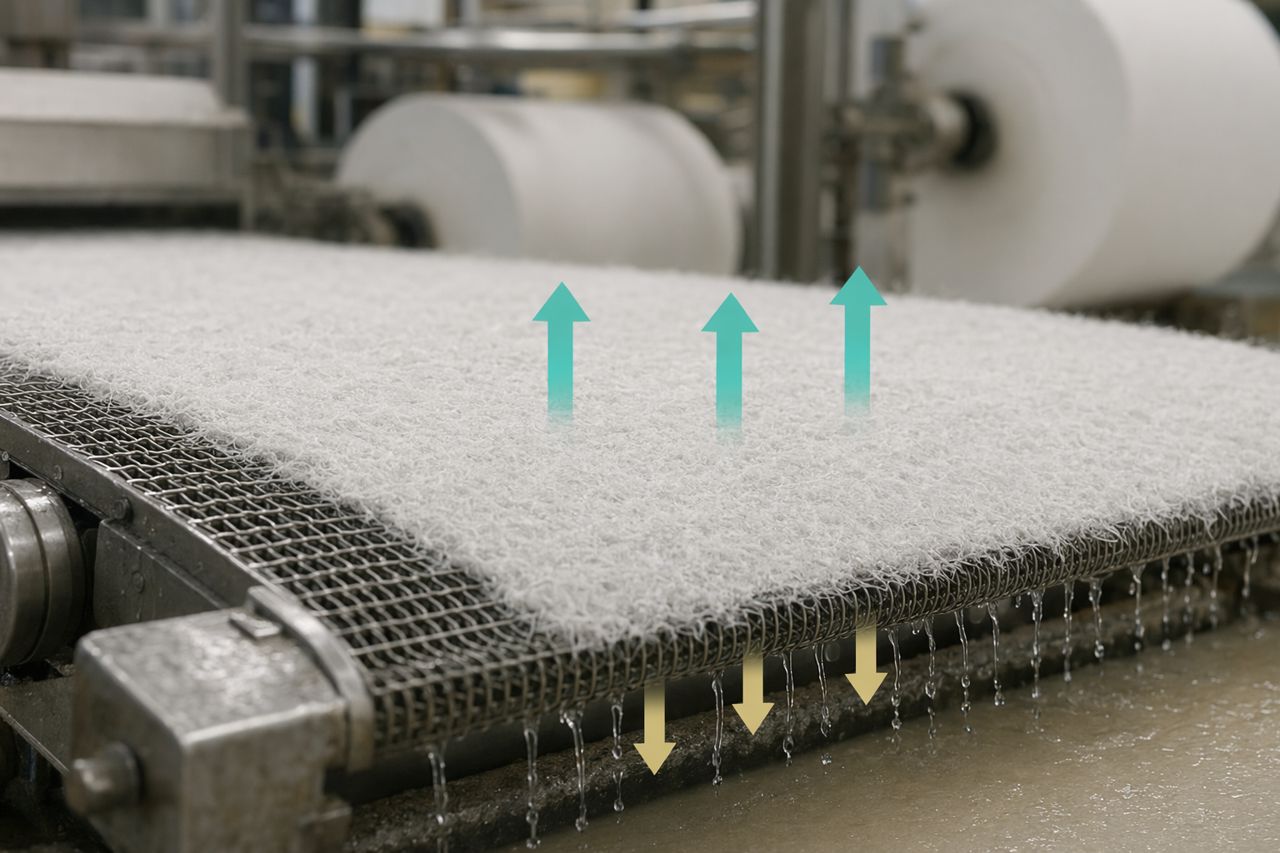
- Drainage improvement by helping manage fines, surface-bound contaminants, and fiber-water interaction.
- Screen and felt cleanliness support where deposit pressure is limiting uptime or runnability.
- Chemical optimization where mills are trying to reduce caustic, surfactant, dispersant, peroxide, or defoamer dependency without destabilizing the sheet.
Enzyme Supply for the Real Deinking Line
Enzymesfield does not treat deinking as a single-additive problem. We look at the line configuration first.
Typical application points
Enzymesfield enzyme programs may be evaluated around:
- Pulper or repulper addition
- Dump chest or blend chest conditioning
- Pre-flotation treatment
- Washer feed conditioning
- Broke or mixed recovered fiber streams
- Targeted side-stream treatment where stickies or pitch are concentrated
The right point depends on retention time, temperature, pH, furnish variability, shear, surfactant interaction, and where the current bottleneck appears: brightness, foam, yield loss, drainage, screen plugging, deposits, or sheet defects.
Enzyme Types Used in Deinking Support
Enzymesfield supplies tailored enzyme blends rather than a catalog guess. Depending on the mill objective, a program may include enzyme functions selected to support:
- Fiber surface conditioning for ink detachment and improved flotation response
- Hemicellulose and fines interaction management for drainage and cleaner water release
- Stickies and pitch control where adhesives, coating residues, waxes, or hydrophobic materials are driving deposits
- Contaminant dispersion control to help release unwanted material without excessive fiber damage
The purpose is not to attack fiber value. The purpose is to open the right process window so contaminants separate more cleanly while yield, strength, and runnability remain under control.
Selecting the Enzyme by Furnish
The right enzyme for pulp deinking depends on the furnish. ONP/OMG, sorted office paper, coated book stock, mixed recovered fiber and broke-heavy streams do not respond the same way. Ink anchoring, coating starch, fines load, ash level, adhesive contamination, pulper chemistry and flotation behavior all change the enzyme choice.
| Furnish | What usually limits the line | Enzyme direction Enzymesfield evaluates |
|---|---|---|
| ONP and OMG blends | Ink detachment, flotation response, drainage | Cellulase-rich programs for controlled surface modification; hemicellulase support where drainage and fines release are limiting; balanced blends when brightness must rise without yield or strength loss |
| Sorted office paper and laser-printed furnish | Toner fragments, starch, adhesives, variable chemical history | Cellulase and hemicellulase for ink release; amylase where starch-bound coating or surface sizing interferes; lipase or esterase where adhesives raise deposit risk |
| Coated book, magazine and high-ash furnish | Mineral load, latex, starch and binders; flotation selectivity | Amylase for starch-bearing coatings; hemicellulase for drainage; lipase or esterase where hydrophobic binders and tacky contaminants drive deposits |
| Mixed recovered fiber | Daily bale-mix swings; ink, starch, adhesives, wet-strength material and fines at once | A staged approach rather than a single-function product: fiber-surface conditioning, starch support, lipase or esterase for stickies, drainage-focused support |
Matching Enzyme Class to the Mill Problem
Poor ink detachment. Look first at furnish type, pulper chemistry, the surfactant system, flotation response, and whether ink is bonded to fiber, coating or toner fragments. Cellulase or hemicellulase is the usual starting point, amylase if starch-bound coating is part of the problem, and a combination program when ink detachment and drainage are both limiting.
Stickies and deposits. Stickies are rarely solved by one action: screens, cleaners, dispersers, fixation chemistry, talc, polymers and housekeeping all matter. Lipase works on ester-containing hydrophobic contaminants and oily residues, esterase support fits adhesive and tack-control programs, and blends fit lines where stickies, coating and ink detachment occur together.
Slow drainage. Drainage limits come from fines, swelling, dissolved load, coating materials and chemical carryover. Hemicellulase-forward programs target fines and water release, with controlled cellulase where surface conditioning helps dewatering and amylase where starch load affects water handling.
Chemical load. Mills that want to cut caustic, peroxide, silicate, surfactant, dispersant or defoamer first prove a measurable deinking or drainage contribution from the enzyme, hold pulp quality and runnability stable, and only then reduce chemistry stepwise under mill control.
What We Review Before Recommending a Program
A useful enzyme quote should be based on your actual line, not a generic dosage sheet. Enzymesfield typically reviews:
- Recovered paper grade mix and variability by shift or supplier
- Pulper temperature, pH, chemistry, retention, and shear profile
- Current deinking chemistry package
- Flotation or washing configuration
- Reject rate, ash behavior, yield pressure, and fines management
- Brightness target and current brightness variability
- Stickies, pitch, specks, dirt count, or sheet defect trends
- Screen, cleaner, felt, wire, or deposit-related downtime
- Water loop closure and carryover risks
- Trial constraints, sampling points, and success criteria
This gives your team a practical starting point for testing, dosing, and measuring outcomes.
Trial Outcomes Worth Measuring
Enzymesfield helps mills define success before the enzyme goes in. Common trial measures include:
- Brightness gain or brightness stability at the same chemical load
- Reduced ink specks, dirt count, or visual contaminants
- Lower stickies-related defects or deposit clean-up frequency
- Improved drainage, dewatering, or machine speed constraint relief
- Lower surfactant, caustic, dispersant, peroxide, or defoamer demand
- Reduced screen blinding, cleaner load, or unscheduled wash-up
- Better consistency in flotation response across variable furnish
- Maintained or improved yield and sheet strength balance
The goal is a defensible operating case: what changed, where it changed, and whether the value justifies ongoing supply.
Why Mills Choose Enzymesfield
Operationally fluent supply
Enzymesfield speaks in process constraints, not broad enzyme claims. We align the enzyme recommendation to your deinking line, furnish, chemistry, and bottleneck.
Practical implementation support
We support lab screening, trial planning, addition point selection, dosing setup, sampling plans, and performance review with your pulping, process, and quality teams.
Supply matched to production reality
Recovered fiber changes. Enzymesfield can help adjust the enzyme program as furnish quality, contamination load, grade targets, and chemical strategy shift.
Focus on total mill value
A small brightness movement may matter. A drainage improvement may matter more. A reduction in deposit downtime may justify the entire program. Enzymesfield helps define the value case around the constraint that is costing your mill money.
Common Fit Scenarios
Enzymesfield is a strong fit when a paper recycling mill is dealing with:
- Mixed office waste, sorted office paper, ONP, OMG, coated grades, or mixed recovered furnish
- Toner-heavy or ink-heavy streams that resist conventional deinking
- High surfactant or caustic demand with unstable flotation response
- Stickies carryover into screens, cleaners, approach flow, or paper machine sections
- Drainage limitations after furnish changes
- Brightness inconsistency despite increased bleaching or surfactant use
- Deposit-related downtime that is difficult to solve with cleaning cycles alone
- A need to reduce chemical load while protecting fiber yield and sheet quality
How the Quote Process Works
- Share your line objective. Tell us whether the priority is brightness, specks, stickies, drainage, downtime, chemical reduction, yield, or a combination.
- Provide basic process context. Furnish mix, line layout, current chemistry, application point options, and trial limits are enough to start.
- Enzymesfield recommends a supply path. We propose an enzyme program, application window, trial structure, and performance checks.
- Run a controlled evaluation. Your mill team measures the agreed outcomes against a defined baseline.
- Scale only where the value is clear. If the trial supports the case, Enzymesfield helps move into routine supply and ongoing optimization.
Request a Quote
If your mill is evaluating enzyme supply for a recovered fiber deinking line, or you resell paper chemicals to mills that are, send Enzymesfield your process objective and basic furnish details through the on-site form.
What to put in your inquiry:
- Product: the enzyme you want, or the problem to solve (brightness, specks, stickies, drainage, deposits, chemical cost)
- Quantity: trial volume and expected monthly or annual usage
- Destination: the country and site the order ships to
- Helpful extras: furnish types and blend range, current deinking stages and proposed addition point, pH and temperature at that point, current chemistry, and a purchasing contact
Request a quote using the on-site form
Enzymesfield will respond with a practical recommendation for the enzyme program, trial approach, and supply plan matched to your deinking operation.